So You've Walked Into a Wine Bar — Here's What You're Actually Looking At

Someone walks into a dimly lit room expecting something close to a restaurant. There's no full kitchen smell, no hostess with a stack of laminated menus, and the person behind the counter is talking about "minerality" and "finish" instead of asking how you want your steak cooked. They're confused. They almost leave. That's a real shame, because wine bars are one of the more relaxed and genuinely enjoyable ways to explore wine, once you know what you're walking into.
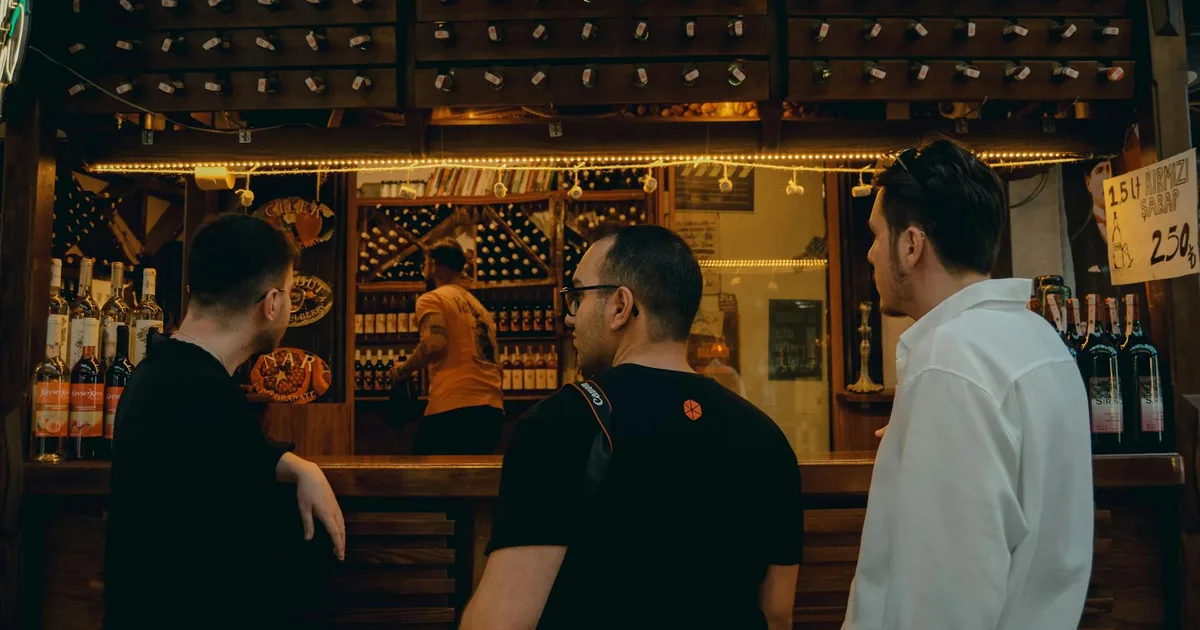
Wine bars occupy their own space in the drinking-and-dining world, and they do not fit neatly into the categories most people already know. Not a winery. Not a restaurant. Not a bar in the traditional sense. Understanding what they actually are makes the whole visit a lot easier and a lot more fun.
What a Wine Bar Actually Is
At its core, a wine bar is a venue where wine is the main event. Not an afterthought on the drink menu, not something you order because the cocktail list looked uninspiring. Wine is the point. Most wine bars carry a curated selection of bottles and offer many of them by the glass, which means you can try three or four completely different wines in one sitting without committing to a full bottle each time.
Staff at wine bars tend to know their product well. Genuinely well. You can ask questions, and you should, because that's part of what you're paying for. A good wine bar employee will ask what you usually like, suggest something in that range, and maybe push you slightly outside your comfort zone if you seem open to it. That kind of guided experience doesn't really exist at a regular bar or a casual restaurant.
Food usually shows up in a supporting role. Charcuterie boards, cheese plates, small bites, maybe a few more substantial options. Nothing that requires a full kitchen brigade. The food is there to complement what's in your glass, not the other way around.
Worth noting: some wine bars also sell bottles to take home. Not all of them, but enough that it's worth asking if you find something you love.
How Wine Bars Differ From Wineries and Wine Shops
Easy to confuse these three. They all involve wine, they sometimes occupy similar physical spaces, and a few businesses technically operate as all three at once. But the distinctions matter.
A winery produces wine. That's its primary function. Tasting rooms at wineries exist to let you sample what's made on-site, and the selection is almost always limited to their own labels. You're not going there to compare a Burgundy against a Napa Cabernet. You're there to learn about that specific producer's work.
A wine shop is retail. You're buying bottles to take home. There may be tastings, often on weekends, but you're not sitting down for an hour with a flight and a cheese plate. It's closer to a grocery run than an experience.
A wine bar sits in between. You're paying for the experience of drinking in a thoughtful environment, with guidance available, and a selection that usually spans regions, grapes, and price points. Winery Pal has 159+ verified listings across these categories, and wine bars consistently pull some of the highest engagement from visitors who are looking for an experience rather than a transaction. Average rating across the directory sits at 4.6 stars, which says something about the quality of what's out there.
And honestly, wine bars tend to feel less intimidating than wineries for people who are still learning. No one expects you to know the estate's history before you walk in.
What to Expect During Your Visit
Walking into a wine bar for the first time, you will probably be seated at either a bar counter or a small table. Both work fine. Sitting at the bar is better if you want to talk to the staff and ask questions. Tables work better for groups or longer conversations.
Most wine bars offer wine by the glass, by the flight, or by the bottle. Flights are usually three to four small pours organized around a theme, same grape from different regions, for example, or a progression from light to full-bodied. Flights are the best way to learn quickly, and I would pick a flight over a single glass almost every time if you're somewhere new.
Prices vary quite a bit. A glass might run anywhere from $10 to $25 depending on the wine and the neighborhood. Bottles ordered at a wine bar typically carry a markup over retail, which is standard. Some places also charge a corkage fee if you bring your own bottle, though that practice is more common at restaurants.
One small thing that surprises people: wine bars often change their by-the-glass menu regularly. Something you had last month might not be available this visit. That's actually a feature, not a flaw. It keeps the list fresh and gives regulars a reason to keep coming back.
Finding a Wine Bar Worth Your Time
Not all wine bars are equal. Some lean heavily into the atmosphere and let the wine list coast. Others are genuinely passionate about what they pour and will remember your preferences if you come back twice. The difference usually shows up in small ways: how the staff talks about the wine, whether the list has any interesting producers you haven't heard of, how the food is presented.
Reading reviews before you go helps, but look for specifics in those reviews. Generic five-star praise ("great atmosphere, loved it!") tells you less than a review that mentions the staff suggested an orange wine from Georgia that turned out to be a revelation. Specific details signal a real experience.
Location matters more than people expect too. Wine bars in neighborhoods with heavy foot traffic sometimes prioritize volume over depth. Smaller, quieter spots with shorter lists often put more thought into each selection. That's not a universal rule, but it holds up more often than not.
Check the hours before you go. Many wine bars do not open until late afternoon or evening, and some keep unusual midweek schedules. Nothing worse than showing up at 2pm on a Tuesday and finding a locked door.
Frequently Asked Questions
- Do I need to know a lot about wine to enjoy a wine bar? Not at all. Wine bars are one of the better places to learn precisely because the staff expect questions. Tell them what you like in plain terms and let them guide you.
- Is a wine bar the same as a wine lounge? Usually the same concept, different branding. Some places use "lounge" to signal a more relaxed or upscale feel, but the format is essentially identical.