What Actually Happens at a Vineyard (And Why It's Not Just a Winery with a View)

Ever wondered what separates a vineyard from every other wine experience? A vineyard is where the wine starts. Not in a barrel, not in a bottle, but out in the rows of vines, in the soil, in the decisions a grower makes every single season.

Vineyards are working farms first and foremost. Yes, many of them welcome visitors, offer tastings, and sell bottles direct. But the defining characteristic of a vineyard is that grapes are actually grown on the property. That's what makes them different from a standard winery or tasting room, which may source fruit from multiple locations and do not have vines on site at all.
What a Vineyard Actually Is
Strip away the romance for a second. A vineyard is agricultural land planted with grapevines for the purpose of producing wine grapes. Some are tiny, just a few acres managed by a single family. Others span hundreds of acres with multiple grape varieties and dedicated harvest crews.
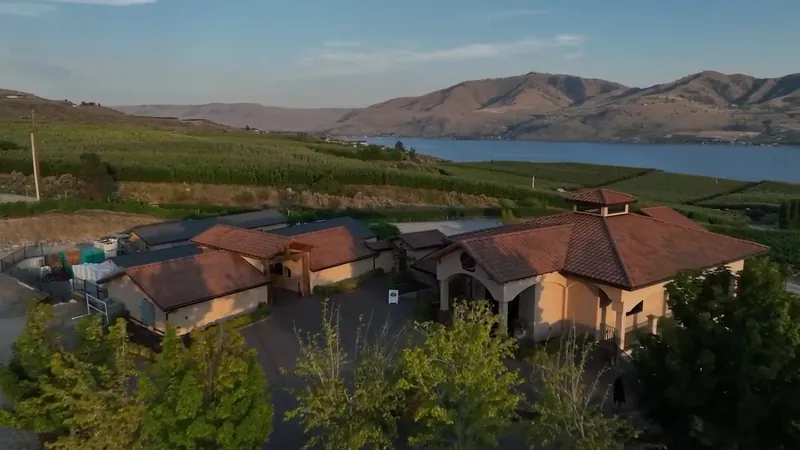
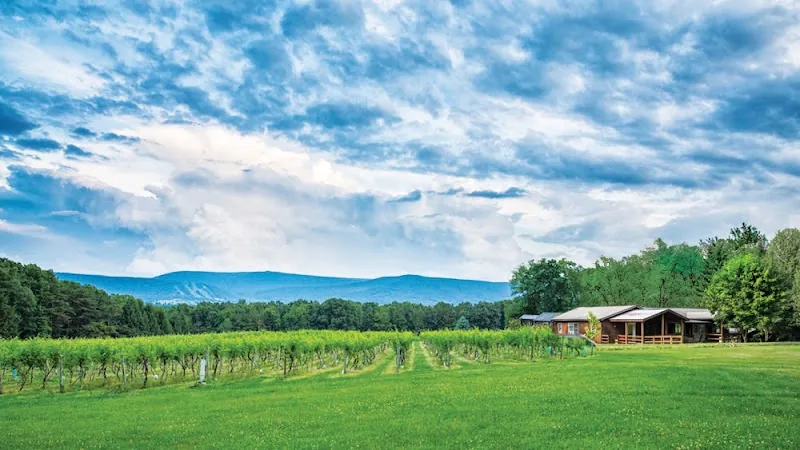
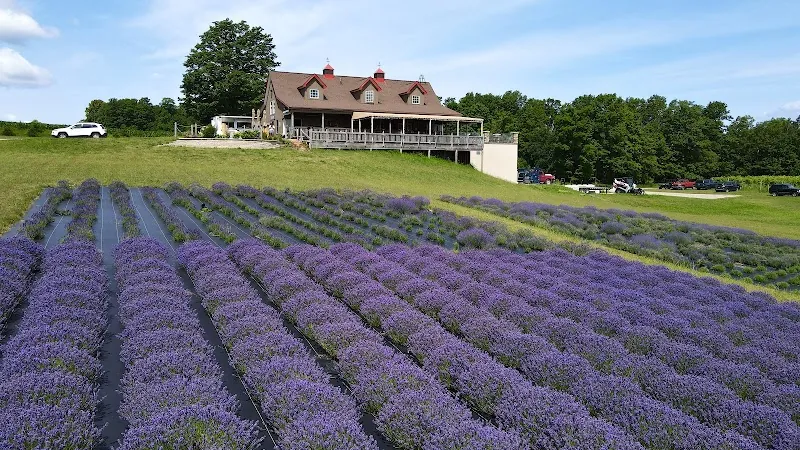
Walking into one for the first time, you notice the scale before anything else. Rows of vines stretch out in patterns that follow the slope of the land, and depending on the time of year, those vines look completely different. In winter they're bare and pruned back hard. By late summer they're heavy with fruit.
Most vineyards you'll find listed on Winery Pal also have a production facility on site, which is where the winemaking happens after harvest. That overlap is common. But not every winery has a vineyard, and that distinction matters when you're choosing where to spend an afternoon.
Honestly, the soil type conversation is one that vineyard hosts love to have. Ask about it. You'll learn more in ten minutes than from reading a dozen labels.
What to Expect When You Visit
Vineyard visits tend to be more immersive than a standard tasting room stop. Many offer vineyard walks or tours where a guide takes you through the rows and explains what's happening in the vines at that point in the growing season. Some charge for this separately; others include it with a tasting fee.
Tastings at vineyards usually focus on estate wines, meaning wines made from grapes grown right there on the property. That's a meaningful distinction. Estate wines reflect one specific place, and you can look out the window at where those grapes came from. That kind of traceability is genuinely rare in the broader wine world.
A few other things you'll typically encounter:
- Outdoor seating areas positioned near or among the vines, often with views across the property
- Small production facilities or barrel rooms open for viewing, sometimes included in tours
- Seasonal menus or food pairings tied to harvest timing
- Direct-to-consumer bottle sales, sometimes at prices lower than retail
Worth noting: weekday visits are almost always quieter. If you want real conversation with the staff and time to ask questions without feeling rushed, go on a Tuesday or Wednesday rather than a Saturday afternoon.
And yes, the parking situation at vineyard properties is often informal. Gravel lots, sometimes just a field. Wear shoes you don't mind getting dusty.
How Vineyards Differ from Wineries and Tasting Rooms
This is where people get confused, and it's worth being specific. A winery is a facility where wine is produced. A tasting room is a space dedicated to sampling and selling wine. A vineyard is the land where grapes grow. These things overlap constantly, but they are not the same.
Some of the most celebrated wine brands do not own a single vine. They buy fruit from growers, make wine in a shared production facility, and pour it in a leased tasting room. Nothing wrong with that model. But you will not get a vineyard walk there, and you cannot stand in the same field where your wine's grapes were grown.
Vineyard visits tend to reward curiosity more than other types of wine experiences. The grower or winemaker is often present. Questions about harvest decisions, vine age, and farming practices get real answers rather than rehearsed talking points.
With 159+ verified vineyard listings on Winery Pal averaging 4.6 stars, there's a lot of quality out there. But ratings alone don't tell you whether a place is estate-focused or sourcing fruit from elsewhere. Read the listing details carefully before you go.
Getting the Most from a Vineyard Visit
Book ahead. Most vineyards cap their tasting reservations, especially on weekends, and showing up without one can mean turning around at the gate. A quick online reservation takes two minutes and saves a wasted drive.
Ask what's in season when you call. Harvest runs roughly August through October depending on the region and variety, and visiting during that window means you might actually see picking crews in the field. That's a completely different experience than visiting in March when everything is dormant and quiet.
Vineyard tastings work better when you pace yourself. I would pick a focused flight of four to six wines over an open-ended session every time. It keeps your palate sharper and gives you something to compare rather than just sipping in sequence.
One last thing, going back to the estate wine point from earlier: if a vineyard is pouring wines not made from their own grapes, ask why. Sometimes it's a strategic choice. Sometimes it signals that the vineyard operation is secondary to the hospitality business. Neither is automatically bad, but it changes what you're paying for.
Frequently Asked Questions
- Do I need to know about wine to enjoy a vineyard visit? Not at all. Most vineyard staff are used to all experience levels and tailor their explanations accordingly. Just say you're new to it.
- Is there a best time of year to visit a vineyard? Harvest season (late summer to fall) is the most active and visually interesting. Spring brings new growth. Winter is peaceful and often less crowded. Each season offers something different.
- What's the difference between an estate wine and a non-estate wine? Estate wines are made entirely from grapes grown on the winery's own property. Non-estate wines may include fruit sourced from other growers or regions.
- Can I bring children to a vineyard? Policies vary widely. Some vineyards are family-friendly with outdoor
More Ways to Save