What Actually Happens Inside a Wine Tasting Room (And How to Make the Most of One)

You pull up to a winery on a Saturday afternoon, gravel crunching under your tires, and there's a wooden sign pointing toward the tasting room. You're not entirely sure what you're walking into. Do you order? Do you sit? Is there a fee? That first visit can feel oddly intimidating for something that's supposed to be relaxing.

Wine tasting rooms are one of the most approachable ways to learn about wine without feeling like you need a degree to enjoy it. They're also genuinely different from other wine-related businesses, and knowing what sets them apart before you walk in makes the whole experience better.
What a Wine Tasting Room Actually Is
At its core, a wine tasting room is a dedicated space, usually on the winery's own property or in a nearby tasting facility, where guests can sample wines directly from the producer. It's not a bar. It's not a wine shop, though many tasting rooms do sell bottles. The whole point is the tasting itself: small pours, a bit of context, and a chance to figure out what you actually like.
Most tasting rooms are run by the winery that produces the wine. That's a meaningful distinction. You're not sampling something that's been sitting in a distributor's warehouse. You're often drinking something made a few hundred yards from where you're standing, which is a genuinely strange and wonderful thing to think about mid-sip.
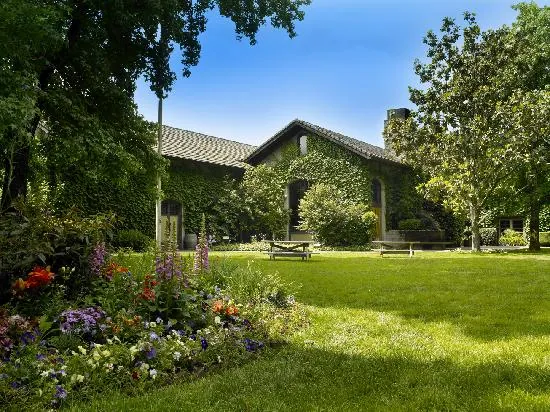
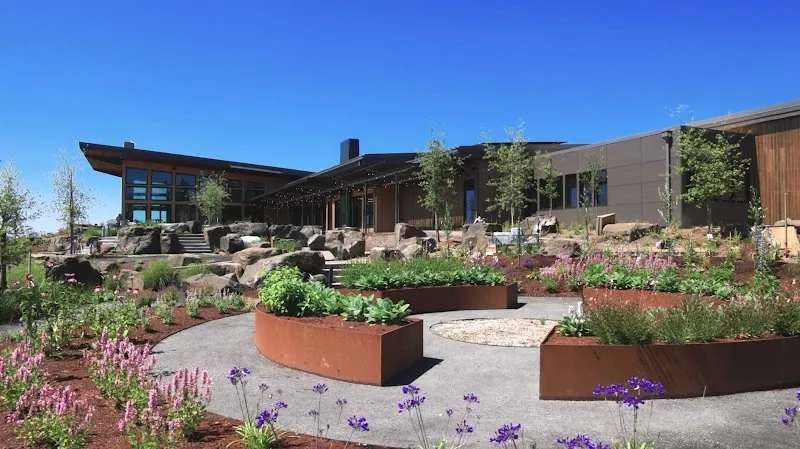
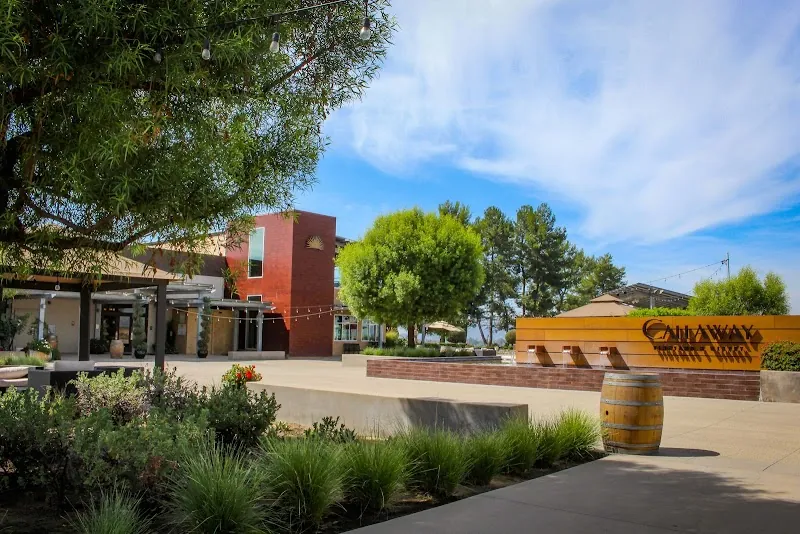
Winery Pal has 159+ verified wine tasting room listings, and across those, the format varies more than you'd expect. Some are rustic barn spaces with communal tables and a chalkboard menu. Others are sleek, climate-controlled venues with reservation-only seated flights. A "tasting room" is a category, not a rigid template.
One actionable tip: check the winery's website or listing before you go to see whether they require reservations. Walk-ins are welcome at many spots, but some of the more popular wine tasting rooms fill up fast on weekends, and showing up without a booking can mean a long wait or a turned-away visit.
What to Expect When You Walk Through the Door
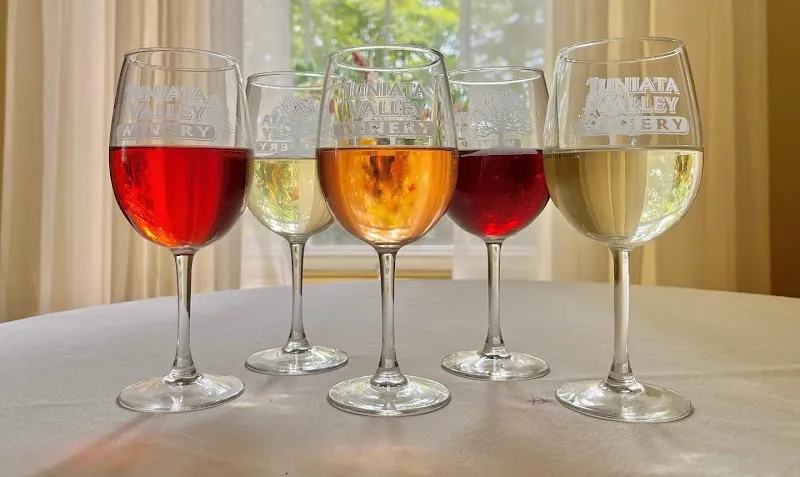
Walking into one for the first time, you'll usually see a bar or counter at the front. A staff member, often called a tasting associate or just a "pour person" depending on how formal the place is, will greet you and walk you through the options. Flights are the standard format: you pick a set of wines, typically three to six pours, and work through them in a set order, usually lightest to heaviest.
Fees vary a lot. Some wine tasting rooms charge nothing, especially smaller family operations that are happy just to have you in the door. Others charge $15 to $40 per person for a structured flight, and a few high-end experiences push well past that. The fee is often waived if you buy a bottle or join a wine club, so it's worth asking.
You'll almost always get some food alongside, even if it's just crackers and water. Better tasting rooms offer cheese plates, charcuterie, or small bites that are chosen to complement specific pours. And yes, you're expected to spit or leave wine in the glass if you don't want to finish it. No one's judging. That's actually the professional move.
Go in with questions. Seriously. In practice, the staff at a good wine tasting room tend to know the production story in detail, and most of them genuinely enjoy talking about it. Ask about the vintage, the grape variety, how long it aged. You'll leave knowing more than you expected.
How Tasting Rooms Differ from Wine Bars and Wine Shops
This is where people get confused, and it's worth clearing up.
A wine bar pours from a broad selection of producers. Typically, the goal is atmosphere and variety. You might try a Burgundy, a Chilean Malbec, and an Oregon Pinot in the same evening, all from different wineries. Wine tasting rooms are focused. You're drinking one producer's lineup, and the experience is designed around understanding that producer's style and story.
A wine shop is primarily retail. You browse, you buy, maybe you get a recommendation. Some shops do host tastings, but that's secondary to the sales floor. At a tasting room, the tasting is the main event. Retail is secondary, even when it's available.
Wait, that's not quite right to say retail is always secondary. Some winery tasting rooms are serious retail operations, especially those in tourist-heavy wine regions where case purchases are a major part of the business model. But the experience is still built around the tasting first.
If you want to explore multiple producers in one sitting, a wine bar is probably the better call. If you want to go deep on a single winery and come home with bottles you actually understand, a wine tasting room wins every time.
How to Pick a Good One
Ratings matter here, but context matters more. A wine tasting room with a 4.8 rating at a small family winery is a very different experience from a 4.8-rated estate with a full events calendar and a chef on staff. Both can be excellent. They're just different visits.
Look for a few things in the listing or reviews. Do reviewers mention the staff? Knowledgeable, friendly pour staff can make a mediocre wine flight memorable. Do they mention the setting? Some people want views and outdoor seating. Others want a quiet indoor space to actually focus on the wine. Know which one you are before you book.
Also, check the hours carefully. Wine tasting rooms often have shorter windows than you'd guess, sometimes closing by 4 or 5 p.m., especially on weekdays. Nothing worse than driving out to a vineyard only to find a "Closed" sign on the door of the tasting room.
And one more thing worth saying plainly: don't feel pressure to buy. A good tasting room won't make you feel obligated to leave with a case. If you enjoyed the visit and can afford a bottle, buy one. It supports a small producer directly. But if you just want the experience, that's what these places are for.
Find a wine tasting room that fits your style, ask a lot of questions when you get there, and let the afternoon unfold. That's really all there is to it.