What Actually Happens on a Vineyard Tour (And Why They're Worth the Trip)

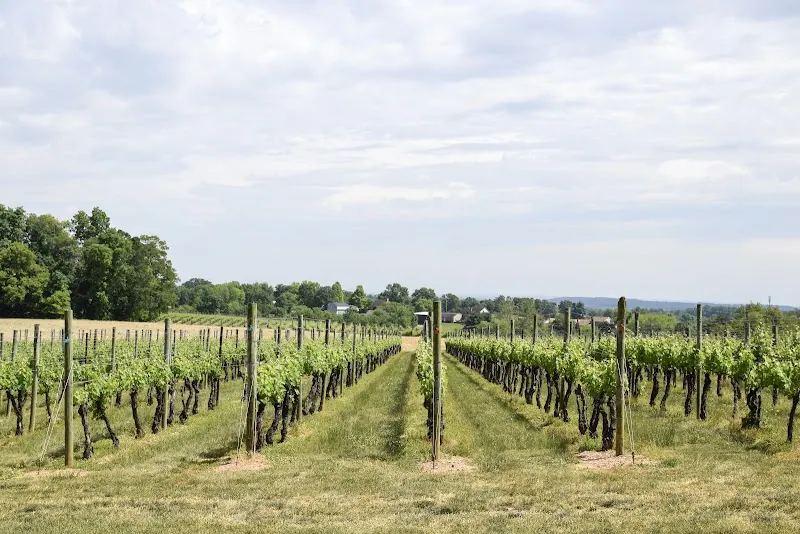
You pull up a gravel drive, vines stretching in neat rows on both sides, and someone hands you a glass before you've even found a place to sit. That's the vineyard tour experience in a nutshell, and it's genuinely unlike anything else in the wine world.
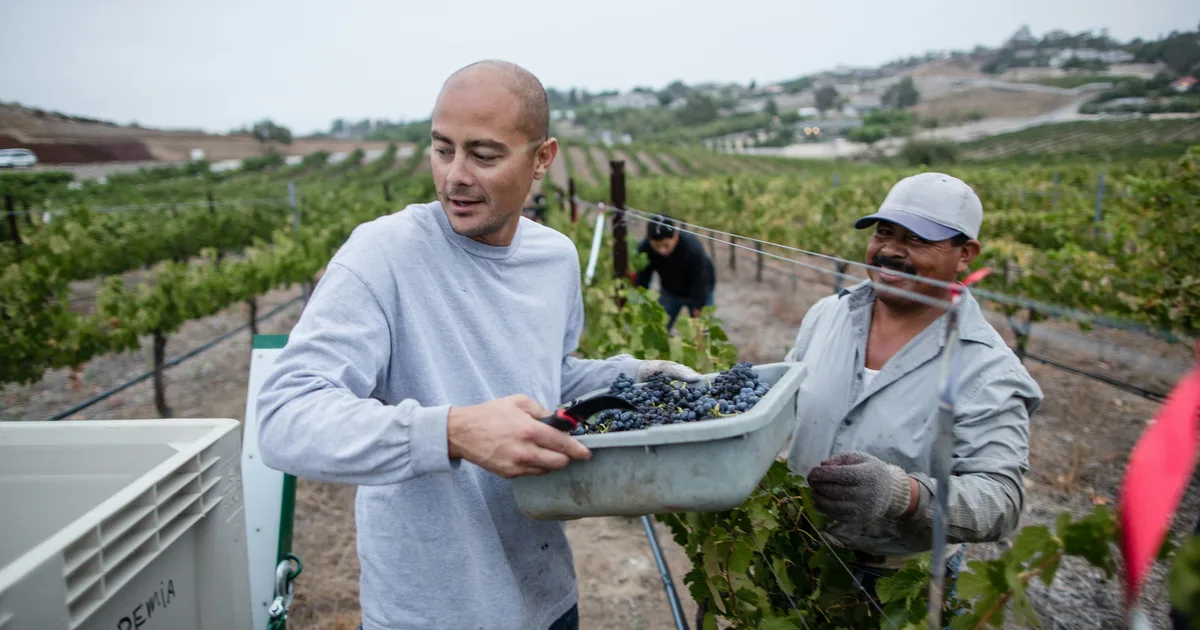
Vineyard tours sit at an interesting crossroads. They're part education, part tasting, and part countryside escape. Winery Pal lists 159+ verified vineyard tour experiences, with an average rating of 4.6 stars, which tells you that most people leave happy. But before you book anything, it helps to know what you're actually walking into.
What a Vineyard Tour Actually Is
A vineyard tour is not the same as a winery tasting room visit. Worth saying clearly, because people mix these up constantly.
A tasting room is a counter, some poured samples, maybe a cheese plate. A vineyard tour takes you out into the actual growing space, among the vines, often with a guide who explains what's happening with the fruit at that particular moment in the season. You might walk rows of old-vine Zinfandel, or stand in a barrel room watching someone pull a thief sample from an aging cask. The setting does most of the work.
Most vineyard tours run between 60 and 90 minutes. Some go longer if they include a full seated lunch or a blending session. Prices generally range from $25 to $75 per person, though private or specialty tours can climb higher. A few places build the cost into a minimum wine purchase, so read the fine print before you show up expecting a free afternoon.
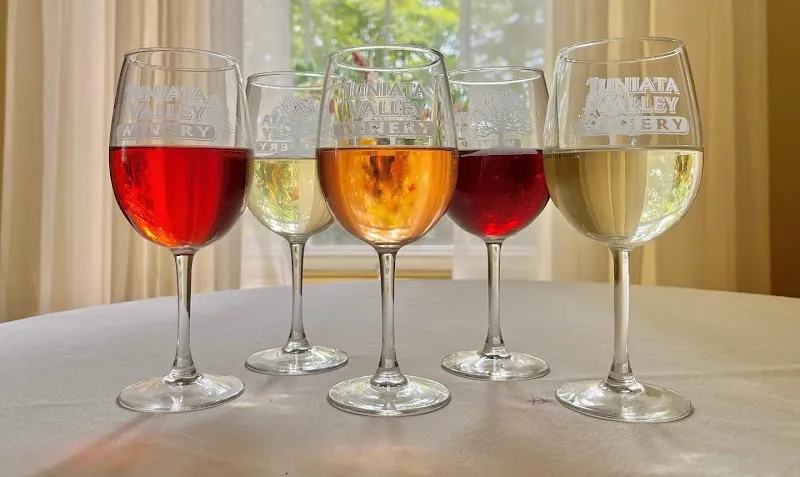
These places almost always end with a tasting. That's not an accident. The tour sets context for what you're about to drink, and honestly, it works. Wine tastes different when you've just seen where it came from.
How Vineyard Tours Differ From Similar Experiences
Winery tours, cellar tours, and vineyard tours get lumped together, but they're actually quite different in focus and feel.
A winery tour concentrates on the production facility: tanks, presses, bottling lines. It's more industrial, more technical. A cellar tour goes underground, literally, into barrel caves or aging rooms. Both are great. But a vineyard tour puts you outside, in the agriculture side of things, which is where wine actually starts.
Think of it this way: a winery tour shows you how wine is made; a vineyard tour shows you what it's made from.
Wine trail experiences are another category people confuse with vineyard tours. A wine trail is a self-guided route between multiple properties. You drive, you stop, you taste, you move on. That's a completely different rhythm. Vineyard tours are slower, more focused, usually anchored to one property. You go deeper into one place rather than wider across many.
For first-time visitors, one good vineyard tour beats a rushed trail day almost every time. You retain more, enjoy more, and leave with a clearer sense of what you actually liked.
What to Expect When You Arrive
Wear shoes you don't mind getting dirty. Seriously. Vineyard soil is loose and uneven, and some rows are narrow enough that you'll brush against foliage. Most people show up in nice flats and immediately regret it.
Groups are usually capped between 8 and 15 people. Smaller is better because you can actually hear the guide and ask questions without feeling like you're shouting. If a tour is advertised as intimate or private, that's usually worth the extra cost.
Guides vary a lot. Some are winemakers themselves. Some are trained hospitality staff. Some are enthusiastic interns who still know a surprising amount. In practice, the best ones will adjust their depth of explanation based on who's in the group, so don't be shy about saying you're a beginner. Nobody's going to quiz you.
Bring water and sunscreen if you're going out in summer. That sounds obvious, and yet. Mid-afternoon tours in July can be brutal, and most vineyards won't mention it until you're already halfway through a sun-baked Chardonnay block wondering why you feel dizzy.
How to Find the Right Vineyard Tour for You
Not all vineyard tours are structured the same way. Some focus on educational content, walking you through viticulture basics and soil types. Others lean into the experience side, with picnic setups in the vines or sunset timing designed for atmosphere. A few are purely harvest-focused, running only in fall when picking is actually happening.
Read the tour description carefully. Winery Pal listings include details about tour format, duration, and what's included, which saves you from booking a 90-minute lecture when you wanted a relaxed stroll with wine.
If you have specific interests, like organic farming practices or a particular grape variety, check whether the listing mentions those. A lot of vineyard tours are built around the property's signature wine, so if they're known for Pinot Noir and you only drink Cabernet, it's worth knowing that upfront.
Book ahead. Weekend slots fill fast, especially in spring and fall. Same-day availability exists but it's rare at well-rated properties. Give yourself at least a few days' lead time, more if you're planning around a holiday weekend.
And when you find the right one, slow down and actually listen to the guide. You can taste wine anywhere. Standing in the middle of the vineyard that grew it, hearing someone explain why that particular hillside matters, that's the part you can't get from a bottle.